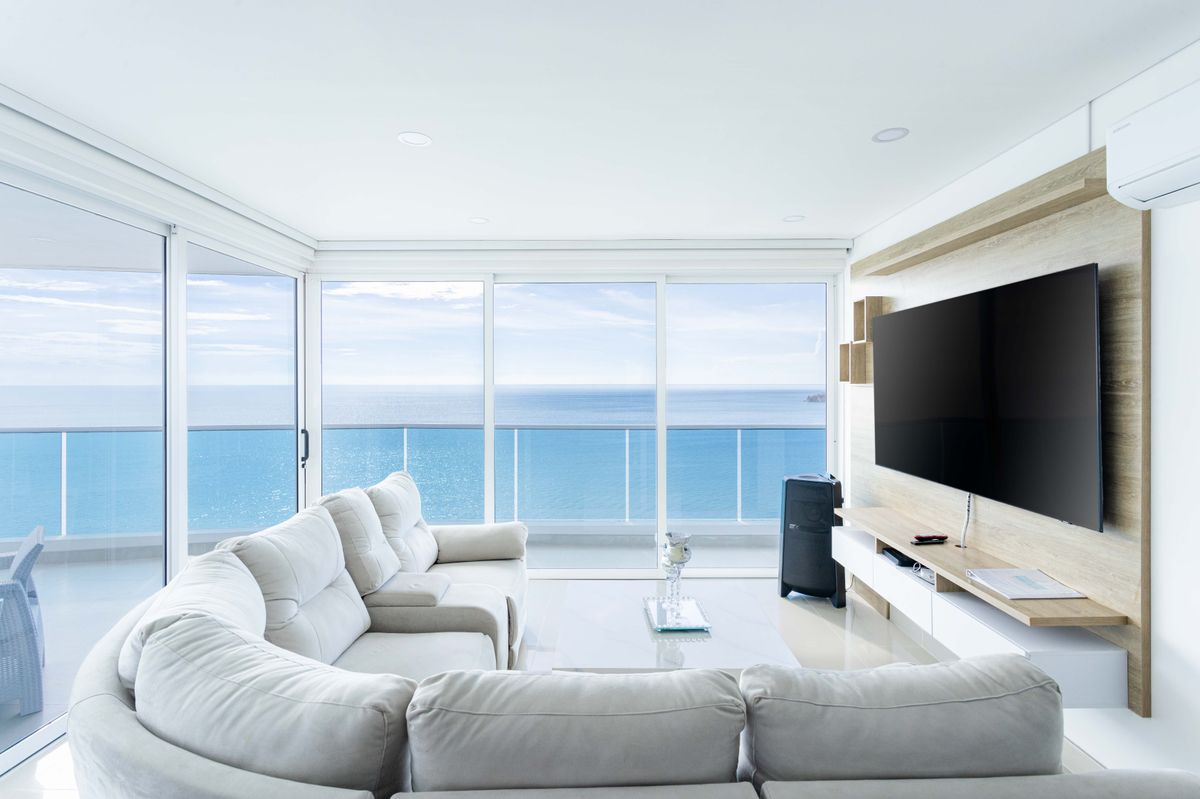
Home staging is one of the highest-return moves a South Florida seller can make in 2026: staged homes spend dramatically less time on the market and routinely sell for more than unstaged ones, often for a few percent above asking. In a tri-county market where buyers scroll dozens of bright, photo-perfect listings before they ever book a showing, a flat or cluttered home gets skipped. The secret in South Florida is specific: lean into light, neutral coastal style, and stage the outdoor living space, because the lanai, patio, and pool are often what closes the deal here. This guide covers what staging actually does to your sale, what it costs, the light-and-bright rule, outdoor staging, and when virtual staging works.
Key takeaways
- Staging speeds the sale. Industry data from the Real Estate Staging Association shows staged homes can spend up to about 73 percent less time on the market, and most studies put staged homes selling 5 to 25 percent faster than unstaged ones.
- It moves the price. The National Association of Realtors found that roughly 20 percent of buyers' agents said staging raised the offered price by 1 to 10 percent, and 82 percent of buyers' agents said staging made it easier for buyers to picture the home as their own.
- The median cost is modest. NAR put the median seller spend on staging at about 1,500 dollars in 2025. Full physical staging runs roughly 2,000 to 5,000 dollars or more per home, while AI and virtual staging can cost as little as 1 to 75 dollars per photo.
- Light and bright wins in Florida. The 2026 coastal palette is warm neutrals layered with soft greens and deeper blues, with maximum natural light. Dark, heavy, cluttered rooms read as smaller and older to South Florida buyers.
- Outdoor living closes the deal. Covered lanais, patios, and pools are top-requested features, and staging them as an extension of the interior is often the deciding factor for buyers paying a premium.
Does home staging actually help a home sell faster?
Yes, and the data is consistent across the industry. According to the Real Estate Staging Association, staged homes can spend up to roughly 73 percent less time on the market than unstaged ones, and most studies put staged homes selling somewhere between 5 and 25 percent faster. About half of sellers' agents in the NAR Profile of Home Staging reported that staging reduced the time a property sat on the market.
The mechanism is simple: staging helps buyers imagine living there. NAR found that 82 percent of buyers' agents said staging made it easier for their clients to visualize a property as their future home, and a meaningful share said it increased the dollar value buyers were willing to offer, with about 20 percent reporting a 1 to 10 percent bump. In South Florida, where a huge portion of buyers are relocating from out of state and shopping online first, that first photo set is the whole ballgame. A home that photographs bright, spacious, and move-in ready gets the showings. One that looks dark or cluttered gets scrolled past, which is why fewer days on market and stronger offers tend to travel together. For the marketing side of getting those photos in front of buyers, see our guide to real estate marketing in 2026.
What does staging cost, and is it worth it?
Staging is one of the few pre-sale investments with a clear, documented payback. NAR put the median amount sellers spent on staging at about 1,500 dollars in 2025. Your actual cost depends on which path you take:
- Full physical staging: roughly 2,000 to 5,000 dollars or more per home, depending on size and how many rooms you stage. At the room level, a living room commonly runs 600 to 2,000 dollars and a bedroom 400 to 1,200 dollars, and furniture rental alone can add 500 to 1,500 dollars per room per month while the home sits on the market.
- Professional virtual staging: about 25 to 75 dollars per photo for a designer-quality digital render, or 75 to 150 dollars per room through a managed service, with a 24 to 48 hour turnaround.
- AI virtual staging: as little as 1 to 15 dollars per image for do-it-yourself tools, the cheapest option by far.
Run the math against the upside. If staging costs 1,500 dollars and helps a 600,000 dollar South Florida home sell even 1 percent higher, that is 6,000 dollars of extra proceeds on a 1,500 dollar spend, before you count the carrying costs you save by selling faster. Every month a listing lingers, you pay another round of mortgage, taxes, insurance, and HOA dues, and South Florida insurance and tax bills are not small, as we cover in our piece on how insurance premiums affect property values. Selling two or three weeks sooner can save more than the staging cost on its own.
The light-and-bright rule for the South Florida buyer
South Florida buyers are chasing a specific feeling: bright, airy, coastal, and clean. The 2026 design direction reinforces it. Interior color trends have shifted to warm neutral foundations layered with earthy accents like soft greens, deeper blues, and warm browns, a warmer take on minimalism that keeps clean lines but softens them. The staging playbook that follows from this is consistent:
- Maximize natural light. Open every blind, clean the glass, and swap heavy drapes for sheer or no window treatments. Light-filled rooms read as larger and newer, which is exactly the Florida promise.
- Go neutral, then layer. Keep walls and large furniture in soft whites, sands, and warm grays, then add life with greenery, a few blue or green accents, and natural textures like rattan, linen, and light wood.
- Declutter ruthlessly. Clear counters, thin out closets, and remove oversized or dark furniture that shrinks a room. Buyers need to see space and project their own life onto it.
- Depersonalize. Family photos and bold personal taste make it harder for a buyer to imagine the home as theirs, the single thing staging is supposed to unlock.
This matters most in condos and waterfront units, where light and view are the product. For the high end specifically, our look at what 2 million dollar-plus waterfront buyers want shows how far presentation moves the needle. Buyers comparing listings can browse live inventory on city pages like Miami, Fort Lauderdale, and West Palm Beach.
Stage the outdoor living space, not just the inside
This is the South Florida staging secret most sellers underuse. Here, the outdoor space is not an afterthought, it is a primary living area and frequently the deciding factor for a buyer. In 2026, covered lanais are among the most sought-after features in Florida homes, prized for the seamless transition they create from the interior to a shaded outdoor room for dining and relaxing. Pools are getting the same attention, with buyers gravitating toward darker, resort-style water tones over the old bright blue.
So stage the lanai, patio, and pool deck exactly like you would a living room. Add a clean outdoor seating set, a dining table, a few potted palms, neutral cushions, and good lighting, then make sure the pool is sparkling and the deck is pressure-washed for photos. A staged outdoor room tells a relocating buyer the thing they moved to Florida for: that they can live outside year round. A bare slab with a hose reel tells them nothing. Treating the outdoor space as a featured room is one of the cheapest ways to lift both showings and offers in this market.
When does virtual staging work, and when does it backfire?
Virtual staging, where furniture and decor are added digitally to photos of empty rooms, has gone mainstream because it is fast and cheap, often 1 to 75 dollars per image versus thousands for physical staging. It is a strong fit for vacant listings, for online photos that need to compete in the feed, and for investors flipping multiple properties who want polished images without renting furniture. Used well, it gets a vacant home the clicks it would not get empty.
The risk is the gap between the photo and the in-person reality. If the listing photos show a beautifully furnished room and a buyer walks into an empty shell, the letdown can cost you the offer and erode trust. Two rules keep virtual staging honest: disclose that photos are virtually staged, which is required or expected in most cases, and keep the renders realistic to the actual space, with correct proportions and nothing that hides a flaw. The best results often combine both approaches: lightly physical-stage the home for showings and use clean virtual staging or professional photography for the online listing. For investors weighing presentation across a portfolio, our multifamily investing guide and condo versus single family comparison are useful companions.
Which rooms should you prioritize?
If the budget is limited, stage the rooms buyers weigh most heavily. NAR and stager data consistently rank the living room first, followed by the primary bedroom and the kitchen, then the dining room and outdoor living space. In South Florida specifically, add the lanai or pool deck to that priority list, since outdoor living carries unusual weight here. Skip staging spaces that move the needle least, like secondary bedrooms used as offices or storage, and put the dollars where buyers make their decision. A sharply staged living room, primary suite, kitchen, and outdoor area will do more for your sale than a thin layer spread across every room in the house. First-time sellers can pair this with the offer and pricing tactics in our South Florida homebuyer guide, since the same competitive dynamics shape both sides of the deal.
Sell faster with ConnectLinx
Staging is only worth it if the polished result reaches buyers fast, and that is where the listing platform matters. ConnectLinx gives South Florida agents and sellers one place to list the property, publish the staged photos, syndicate to search, capture and track leads, and schedule showings, all from a single login. A bright, well-staged home with strong photos and a featured outdoor space is exactly the kind of listing that earns showings and offers in days instead of weeks. If you are relocating and preparing to sell on one end while buying on the other, our moving to South Florida guide sets expectations for both. In 2026, the sellers who win are the ones who present the home the way South Florida buyers already picture their new life: light, open, and built for living outside.