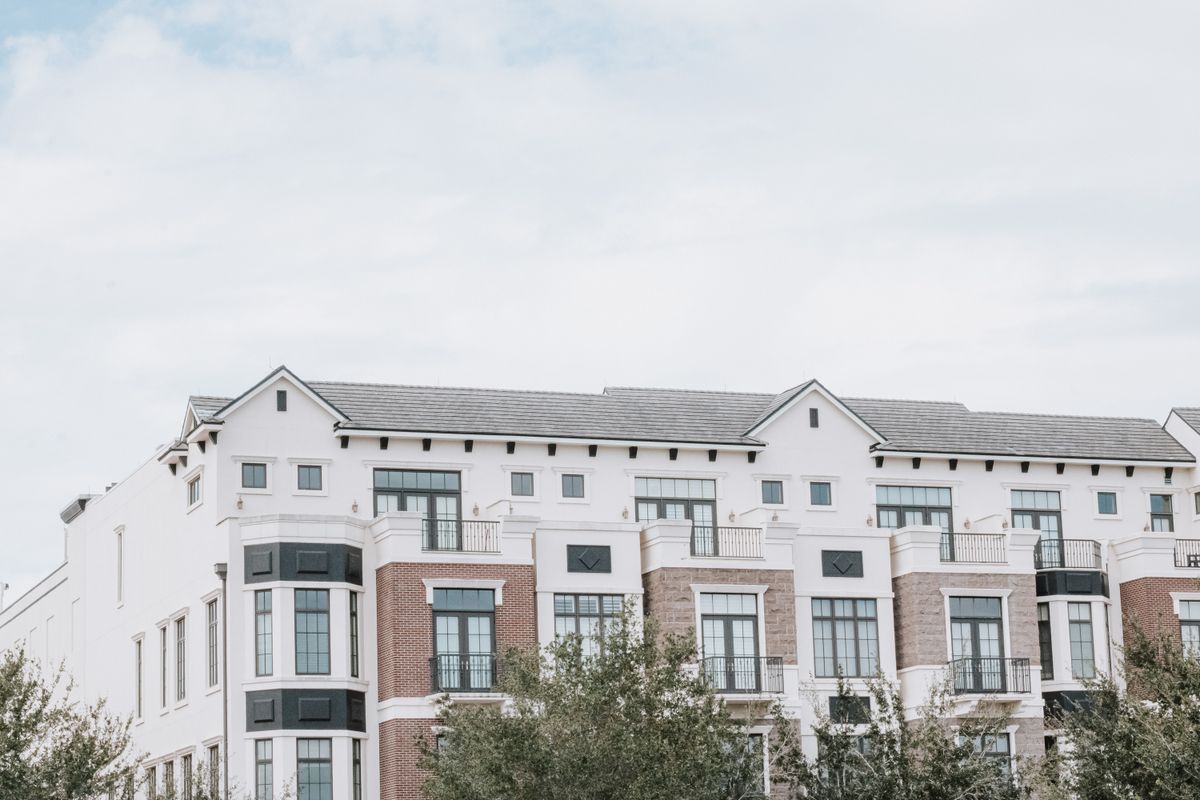
Multifamily is the steadiest way to invest in South Florida real estate in 2026, and the numbers explain why: occupancy across Broward and Palm Beach County sits above 94 percent, asking rents are still climbing, and the new-apartment supply wave that pressured the market is finally winding down. From Palm Beach to Miami, a disciplined buyer can find stabilized cap rates around 4.5 to 6 percent and value-add deals a point higher, as long as the underwriting is honest about insurance and taxes. This guide walks through current cap rates, where rents and occupancy are strongest, the construction pipeline, how to finance a deal in 2026, and the two costs that quietly kill returns.
Key takeaways
- Demand is tight across the tri-county area. Broward County occupancy is about 94.3 percent and Palm Beach County is about 95.2 percent, both above the national 94.1 percent, with May 2026 asking rents near 2,472 dollars in Broward and 2,603 dollars in Palm Beach.
- Cap rates have widened slightly from the 2021 to 2022 lows. Core Miami multifamily (Brickell, Edgewater, Wynwood) trades around 4 to 5.5 percent, while value-add and suburban deals run roughly 5 to 6.5 percent.
- Supply pressure is easing. Miami multifamily inventory growth is slowing to about 1.6 percent, the lowest pace in a decade, which supports rents as the recent delivery wave gets absorbed.
- Agency money is the backbone. Fannie Mae and Freddie Mac each have an 88 billion dollar 2026 purchase cap, offering non-recourse loans up to 80 percent loan-to-value, with apartment rates broadly trading from roughly 5 to 7 percent for strong deals.
- Two costs decide the deal: insurance and property taxes. Both have jumped in South Florida, and a buyer who uses the seller's old numbers instead of reassessed, re-quoted figures will overpay every time.
What cap rates and returns should you expect in 2026?
Cap rate is the cleanest way to compare multifamily deals: it is the property's net operating income divided by its price. In South Florida in 2026, stabilized core assets trade tight and value-add deals pay more. Core Miami multifamily in Brickell, Edgewater, and Wynwood trades around 4 to 5.5 percent, where buyers accept lower yield in exchange for stability and long-run appreciation. Value-add and transitional deals, including South Dade and older suburban product, run closer to 5 to 6.5 percent. Across Miami-Dade and Broward, a going-in cap rate in the 4 to 6 percent range is normal for residential income property right now.
The useful shift for buyers is that cap rates have widened modestly from the 2021 to 2022 compression, so yields are a little better than they were at the peak. That said, the spread is not free money. Rising insurance premiums and property tax reassessments have eaten into real returns, so a deal that looks like a 6 percent cap on the broker's pro forma can underwrite to a 5 percent or worse once you plug in current expenses. The discipline is in the expense line, not the headline. For how rates filter into all commercial property, see our piece on how high interest rates are reshaping South Florida commercial real estate.
Where are rents and occupancy strongest from Palm Beach to Miami?
This is a landlord's market on fundamentals. According to MIAMI REALTORS data for May 2026, Broward County asking rents rose 0.6 percent to about 2,472 dollars with stabilized occupancy near 94.3 percent, while Palm Beach County asking rents rose 2.0 percent to about 2,603 dollars with occupancy near 95.2 percent. Both counties sit above the national occupancy rate of 94.1 percent. The Miami metro carried the lowest vacancy and the strongest rent growth among the South region's largest metros earlier in 2026, a sign that demand keeps outrunning the new supply.
The growth is not evenly spread, which is exactly where the opportunity lives. The standout submarkets in early-to-mid 2026 included Overtown in Miami up about 13 percent, West Palm Beach Central up about 10 percent, and Miami Beach up about 10 percent. In Broward, the leaders were Pompano Beach South up about 8.3 percent, Parkland up about 6.8 percent, and Hollywood up about 5.6 percent. In Palm Beach County, West Palm Beach Central led at about 10 percent, followed by Boynton Beach and Palm Beach Gardens around 4 percent. Class A rents have been rising faster than Class C, helped by strong job growth in financial and professional services. Buyers comparing live inventory can scan city pages for Miami, Fort Lauderdale, and West Palm Beach before they ever pull a rent roll.
How is the construction pipeline shaping the opportunity?
For three years the knock on South Florida multifamily was oversupply, with tens of thousands of units delivering and pushing concessions up and rent growth down. That is reversing in 2026. Miami's multifamily inventory growth is slowing to roughly 1.6 percent, the slowest pace in about a decade, tying Fort Lauderdale for the lowest rate among major Florida metros. The remaining pipeline is concentrated, with Downtown Miami representing the largest single share of activity, while suburbs like Hialeah and Homestead pull back on new construction.
For an investor, slowing supply is the single most bullish data point in this market. When deliveries fall and demand holds, existing apartments regain pricing power, concessions burn off, and stabilized owners capture rent growth instead of giving it away to lease-ups across the street. The smart play is to buy in submarkets where the new-supply wave has already crested, so your asset competes against a shrinking, not growing, set of brand-new units. Our West Palm Beach market update tracks where that supply-demand balance is tightest in Palm Beach County.
How do you finance a multifamily deal in 2026?
Agency debt from Fannie Mae and Freddie Mac is the backbone of multifamily financing, and 2026 capacity is strong. The Federal Housing Finance Agency set each enterprise's purchase cap at 88 billion dollars, a combined 176 billion dollars, with at least half required to be mission-driven affordable housing. That keeps competitive, non-recourse money flowing to apartment buyers even when banks pull back.
Here is the practical picture for a five-plus-unit deal:
- Fannie Mae: loans from about 1 million to 100 million dollars, non-recourse, up to 80 percent loan-to-value, with fixed rates available out to a 30-year fully amortizing term. Fannie uses tiered debt-service-coverage requirements, roughly 1.25, 1.35, and 1.55, and rewards the higher coverage with a lower rate.
- Freddie Mac: loans from about 750,000 to 250 million dollars, non-recourse, up to 80 percent loan-to-value, fixed for 5 to 10 years on a 30-year amortization. Freddie scales its coverage requirement to market size, from about 1.20 in large markets like Miami up to 1.55 in very small markets.
- Rates: apartment loans in 2026 span a wide band depending on location, leverage, coverage, and sponsor strength. Strong tri-county deals have generally penciled in the mid-5 to 7 percent range, with weaker or smaller deals priced higher.
The takeaway: the more conservatively your deal underwrites, the better your rate and proceeds. Lenders price coverage, so a deal with honest expenses and a real 1.35-plus coverage ratio gets cheaper money than one stretched to qualify.
What quietly kills South Florida multifamily returns?
Two line items decide whether a tri-county multifamily deal works: insurance and property taxes. Both have surged, and both are routinely understated on a seller's pro forma. Insurance is the bigger shock. Premiums spiked across the last three years, and while 2026 finally brought rate relief, coverage on an older, coastal apartment building still costs far more than it did in 2020. A buyer who carries the seller's stale premium into the model is underwriting a profit that does not exist. Our breakdown of how insurance premiums affect South Florida property values walks through the mitigation credits that can cut that bill.
Property taxes are the second trap. Florida reassesses many properties at or near the sale price after closing, so the taxes the seller paid on an old assessed value can jump sharply once you buy. Model the reassessed number, not the current one. Our guide to Florida property taxes for new investors covers how the reassessment works and how to estimate it before you sign. Get insurance and taxes right and the rest of the deal is straightforward. Get them wrong and a 6 percent cap quietly becomes a 4 percent headache.
Which county and class should you target?
There is no single right answer, only a fit to your goal. Miami-Dade offers the deepest demand and the strongest long-run appreciation, but the lowest in-place yield, so it suits buyers who want stability and a bet on continued in-migration. Palm Beach County has been posting the fastest rent growth and the highest occupancy of the three, with West Palm Beach Central leading, which makes it attractive for buyers who want current income plus momentum. Broward sits in between, with Pompano Beach, Parkland, and Hollywood showing real rent strength and a central location between the two larger job markets.
On asset class, Class A trades tightest and rents are growing fastest, but the entry price is steep and the yield is thin. Class B and value-add Class C is where most independent investors find the best risk-adjusted return: buy an older, under-managed building in a strengthening submarket, fix operations and units, push rents toward the Class A trend, and refinance into long-term agency debt once it stabilizes. If you are weighing this against owning individual doors, our comparison of condo versus single family rental income frames the trade-offs, and our list of top neighborhoods for rental investment in Palm Beach County points to specific target areas.
Run your multifamily portfolio on ConnectLinx
South Florida multifamily rewards operators who underwrite honestly, buy where supply is shrinking, and manage tightly after closing. ConnectLinx gives South Florida investors and agents one place to list units, market vacancies, capture and track leads, schedule showings, handle documents, and watch deals move from offer to close. Whether you are buying your first triplex or scaling a 200-unit portfolio from Palm Beach to Miami, the platform keeps the whole operation under one login. If you are relocating to invest, start with our moving to South Florida guide, then build your buy box around the rent, occupancy, and supply numbers above. In 2026, the multifamily winners are the ones who treat the expense line as seriously as the rent roll.