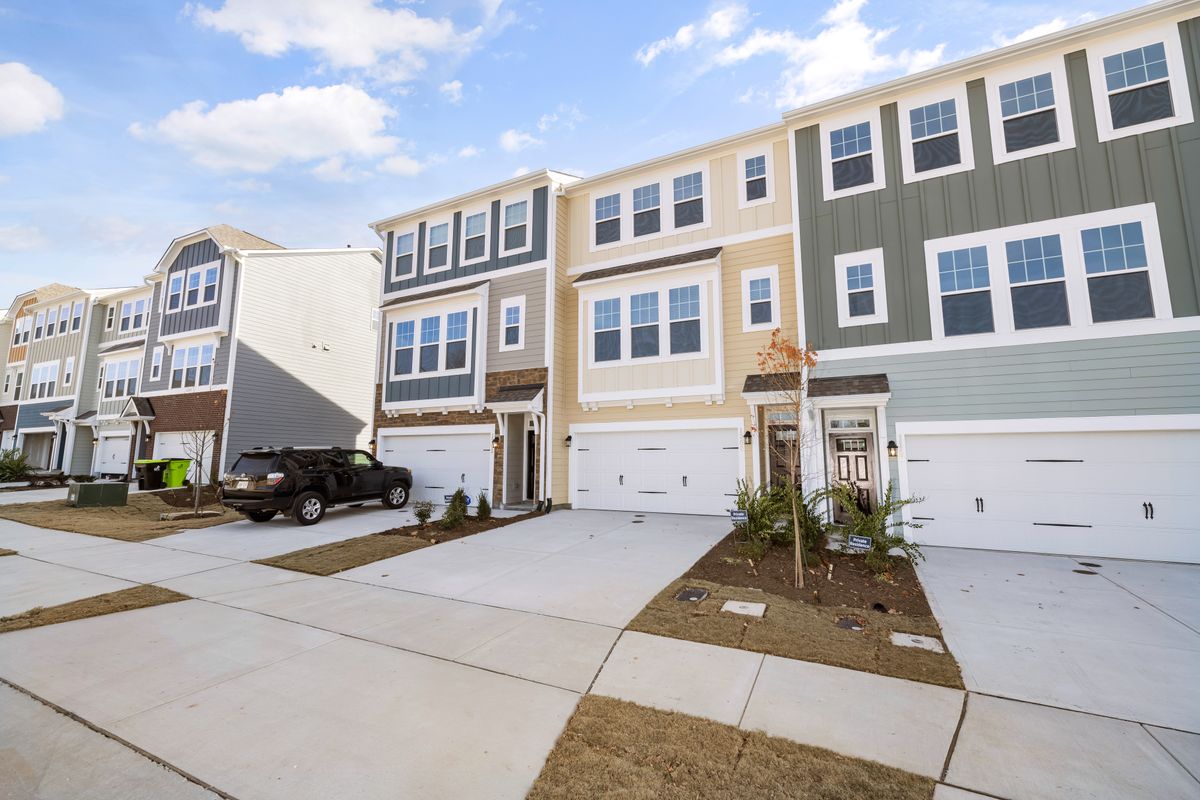
For most South Florida landlords in 2026, a single family home is the better rental income property than a condo, and the gap has widened. The reason is not the rent, which both can earn. It is the carrying cost. Condos now come loaded with association dues, mandatory structural reserves, and special assessments that can run tens of thousands of dollars per unit, while a single family rental carries none of that. This guide compares the two head to head on cash flow, appreciation, maintenance, and tenant demand across Miami-Dade, Broward, and Palm Beach County, and shows when a condo still makes sense.
Key takeaways
- Single family rentals generally win on cash flow in South Florida in 2026 because they carry no condo association dues, no structural reserve contributions, and no special assessments.
- Condo carrying costs have exploded. Miami-Dade condo fees rose from about $567 to $900 a month over five years, high-rise owners now average roughly $1,900 a month in total association fees, and post-Surfside special assessments on 1975 to 1995 towers are running $30,000 to $75,000 per unit, with some above $100,000.
- Single family values are rising while condo prices fell. The tri-county single family median is about $670,000 and climbing, with Palm Beach County up 7.7 percent to $700,000, while Miami-Dade and Broward condo medians dropped roughly 8 to 10 percent before stabilizing near $445,000 and $250,000 to $270,000.
- Condos still have a role: a lower entry price, hands-off exterior maintenance, and strong demand in walkable urban cores like Brickell and downtown Fort Lauderdale.
- The number that decides it is the all-in monthly carrying cost. Underwrite the HOA dues, the reserve schedule, and the special-assessment risk before you buy, not after.
Is a condo or single family home better for rental income in South Florida?
Start with the honest answer: in 2026, a single family home usually produces stronger and more predictable rental income in South Florida than a comparable condo, because it avoids the association costs that are crushing condo cash flow. A condo can advertise a similar rent, but the landlord keeps less of it after the monthly dues and the looming reserve and assessment bills.
Think in terms of net, not gross. Two units might both rent for $2,800 a month. The single family home keeps almost all of that after taxes, insurance, and upkeep. The condo hands $600 to $965 a month back to the association in many Miami buildings, and far more in high-rises, before a single repair. Average single family HOA fees in Florida sit near $175 a month in 2026, while condos in the major metros commonly run $350 to $700, and coastal high-rises push past $900. That spread comes straight out of your return.
The investors having the best year are the ones who already understood this. We mapped the strongest rental submarkets in our look at top neighborhoods for rental investment in Palm Beach County, and the cash-flow math there leans single family for exactly this reason.
How much do condo fees and special assessments really cost in 2026?
This is the heart of the story, and it traces back to the 2021 Surfside collapse. Florida's Senate Bill 4-D rewrote the rules for older condos. Any building three stories or taller must complete a milestone structural inspection at 30 years of age, or at 25 years if it sits within three miles of the coast, which covers a huge share of South Florida towers. On top of that, associations must now fund a Structural Integrity Reserve Study, and as of January 1, 2026 they can no longer waive or underfund those structural reserves.
The result is a wave of cost. Monthly dues are commonly up 20 to 40 percent to meet the new reserve requirements, and older pre-1990s beachfront buildings are seeing increases of 50 to 100 percent. Worse for cash flow are the one-time special assessments. In Miami, 1975 to 1995 towers are issuing assessments of $30,000 to $75,000 per unit, and combined roof, concrete, and waterproofing projects have pushed some past $100,000. Across Florida, assessments of $50,000 to $200,000 or more per unit are being levied as associations confront decades of deferred maintenance. Industry watchers expect this to peak between 2026 and 2028 as the inspection backlog clears.
Insurance compounds it. Florida property insurance averages $7,136 to $10,240 a year, roughly 181 percent above the national average, and a chunk of that flows through the condo master policy into your monthly dues. For a rental, every one of these dollars is a dollar of rent you do not keep. The same carrying-cost pressure shows up on the ownership side in our breakdown of Florida property taxes for new investors, and the two stack on top of each other.
Which appreciates more, condos or single family homes?
Single family homes are winning on appreciation too, which is unusual and worth noting. In January 2026 the tri-county single family median rose about 3.1 percent to $670,000, led by Palm Beach County at a 7.7 percent jump to $700,000. Condos went the other way. Miami-Dade condo medians fell almost 10 percent and Broward fell around 8 percent before steadying, landing near $445,000 in Miami-Dade and $250,000 to $270,000 in Broward, with Palm Beach County condos around $325,000 to $330,000.
The cause is the same reserve and assessment pressure. Buyers are pricing in the dues and the assessment risk, so they pay less for condos, especially older ones. For an investor that cuts both ways. Falling condo prices mean cheaper entry, but they also mean weaker appreciation and a harder resale. Single family homes cost more up front but have held value and kept appreciating. For the broader regional picture, our West Palm Beach market update for Q3 2026 frames where prices are heading across the tri-county area.
What about maintenance, vacancy, and tenant demand?
Condos are not all downside. The trade-offs are real and they run both ways.
- Maintenance. A condo association handles the roof, the exterior, the landscaping, and shared systems, so your repair surface is just the interior. A single family rental puts the roof, the yard, the exterior, and the systems on you. That convenience is a genuine point for condos, even if the dues pay for it.
- Vacancy and turnover. Single family homes tend to attract longer-term tenants, often families who stay for years, which lowers turnover and vacancy. Condos can turn over faster, especially studios and one-bedrooms in transient urban cores.
- Tenant demand. Demand splits by location and lifestyle. Walkable, amenity-rich condos in Brickell, downtown Miami, and downtown Fort Lauderdale draw young professionals who want to be near work and nightlife. Single family homes pull families who want a yard, a garage, and a school district. You can see both demand pools in the live listings on Miami, Fort Lauderdale, and West Palm Beach.
- Leasing rules. Many condo associations cap how many units can be rented, impose minimum lease terms, or require board approval of tenants. Some ban rentals in the first year of ownership. A single family home has no such gatekeeper. Read the condo documents before you assume you can rent at all.
When does a condo actually make sense as a rental?
Despite the headwinds, condos still work in specific cases. A condo can be the better rental when:
- You want a lower entry price. With condo medians well below single family, the cash to get in is smaller, which matters for a first investment or a tight budget.
- You want hands-off management. If you live out of state or do not want to handle a roof and a yard, the association doing the exterior is worth real money to you. Out-of-state owners should read our moving to South Florida guide for the local realities.
- You are targeting a walkable urban renter. In Brickell or downtown Fort Lauderdale, a well-located condo near transit and offices can stay occupied and command a premium a suburban house cannot.
- You find a newer building, or one that has already completed its inspection and funded its reserves. The danger is concentrated in older towers with deferred maintenance. A post-2000 building, or one with a clean milestone inspection and a fully funded reserve study, removes most of the assessment risk.
- You want a short-term rental in an area that allows it. Some condo and resort buildings are zoned and managed for short stays, which can lift yield. We cover the rules and tactics in short-term rental strategies for Miami and Broward.
The common thread is that the condo case depends on the specific building. With single family, you are mostly underwriting the house and the neighborhood. With a condo, you are also underwriting the association's balance sheet.
How do you run the numbers before you buy?
Whichever way you lean, the discipline is the same: underwrite the all-in monthly carrying cost, not the rent. For any condo, before you make an offer:
- Get the last two years of association financials, the current reserve study, and the meeting minutes. Look for planned projects and the funding gap.
- Ask directly whether a special assessment has been levied, voted on, or is being discussed. A pending assessment can erase years of cash flow.
- Confirm the building's milestone inspection status and whether the structural reserves are fully funded under the 2026 rules.
- Read the rental restrictions, lease minimums, and approval process in the condo documents.
- Build your cash-flow model on the real dues plus a reserve for your share of future assessments, not just today's number.
For a single family rental, the model is simpler but not trivial. Underwrite insurance at current South Florida costs, budget for the roof and the systems, and stress test for storm risk. Our hurricane season tips walk through the insurance and prep that protect a single family investment, and the first-time homebuyer guide to South Florida covers the closing costs that hit both property types.
ConnectLinx helps South Florida investors and agents list, market, and manage both condos and single family rentals in one place, so once you have run the numbers and picked your lane, the tools to fill the unit and track the income are already in your corner. In 2026, the landlords who win are the ones who treat the carrying cost as the real number. Do that, and the choice between a condo and a single family home stops being a guess and becomes a calculation.