South Florida moves fast, and the way property gets marketed here changed more between 2024 and 2026 than in the decade before it. Buyers and renters scroll before they ever call. They watch a video before they read a description. They decide whether a listing is worth their time in the first few seconds of a thumbnail. If you sell, rent, or manage property in Miami, Fort Lauderdale, or West Palm Beach, the marketing playbook that worked three years ago is leaving leads on the table.
This is a practical look at what is actually working in 2026: the social platforms with real return, the video and drone strategies that move listings, the email and CRM habits that quietly close deals, and whether virtual staging and 3D tours are worth what they cost. For the market backdrop behind all of this, our South Florida commercial real estate update and short-term rental strategy guide give useful context on where demand is heading.
Social Media: Where the ROI Actually Is
Social media is now the single most productive marketing channel for most agents. In current industry surveys, around 60 percent of real estate agents say social delivers their highest return on investment of any channel they use. The catch is that not all social activity is equal, and the platforms reward very different things.
The strongest paid ROI in 2026 still comes from retargeting. Facebook and Instagram ads aimed at people who already visited your website or viewed a listing convert far better than cold audiences, because you are reminding interested people instead of introducing yourself to strangers. If you spend a dollar anywhere, spend it there first.
YouTube
YouTube is the long-term compounding play. It is the number one platform for video search, and optimized videos rank in Google results, which means a single neighborhood tour can send you leads for years. Property walkthroughs, monthly market updates, and honest neighborhood guides for areas like Brickell, Wynwood, and the Fort Lauderdale beach corridor build a library that keeps working long after you post it.
Instagram is where you win the present moment. Reels and Stories drive the bulk of engagement, and the platform's search and tagging features help local buyers discover you. Use it for new listing reveals, behind-the-scenes content, quick market takes, retargeting, and steady community building. It is the best place to stay top of mind with people who already know you.
TikTok
TikTok is the awareness engine. Its algorithm still pushes content from small accounts to large audiences, which makes it the fastest way to reach people who have never heard of you. It matters most if you are targeting first-time buyers and renters under 40, a huge slice of the South Florida rental market. The tone is looser here, and that is the point.
One number ties all of this together: video posts generate roughly 1,200 percent more shares than text and image posts combined. Whatever platform you pick, video is the format that travels.
Video and Drone: The Biggest Gap Between Proven and Used
Video is the most lopsided opportunity in real estate marketing right now, because the results are overwhelming and the adoption is still low. Listings with video receive about 403 percent more inquiries than listings without it, and homes marketed with video tours sell up to 31 percent faster. People also remember what they watch: viewers retain around 95 percent of a message from video compared to 10 percent from text.
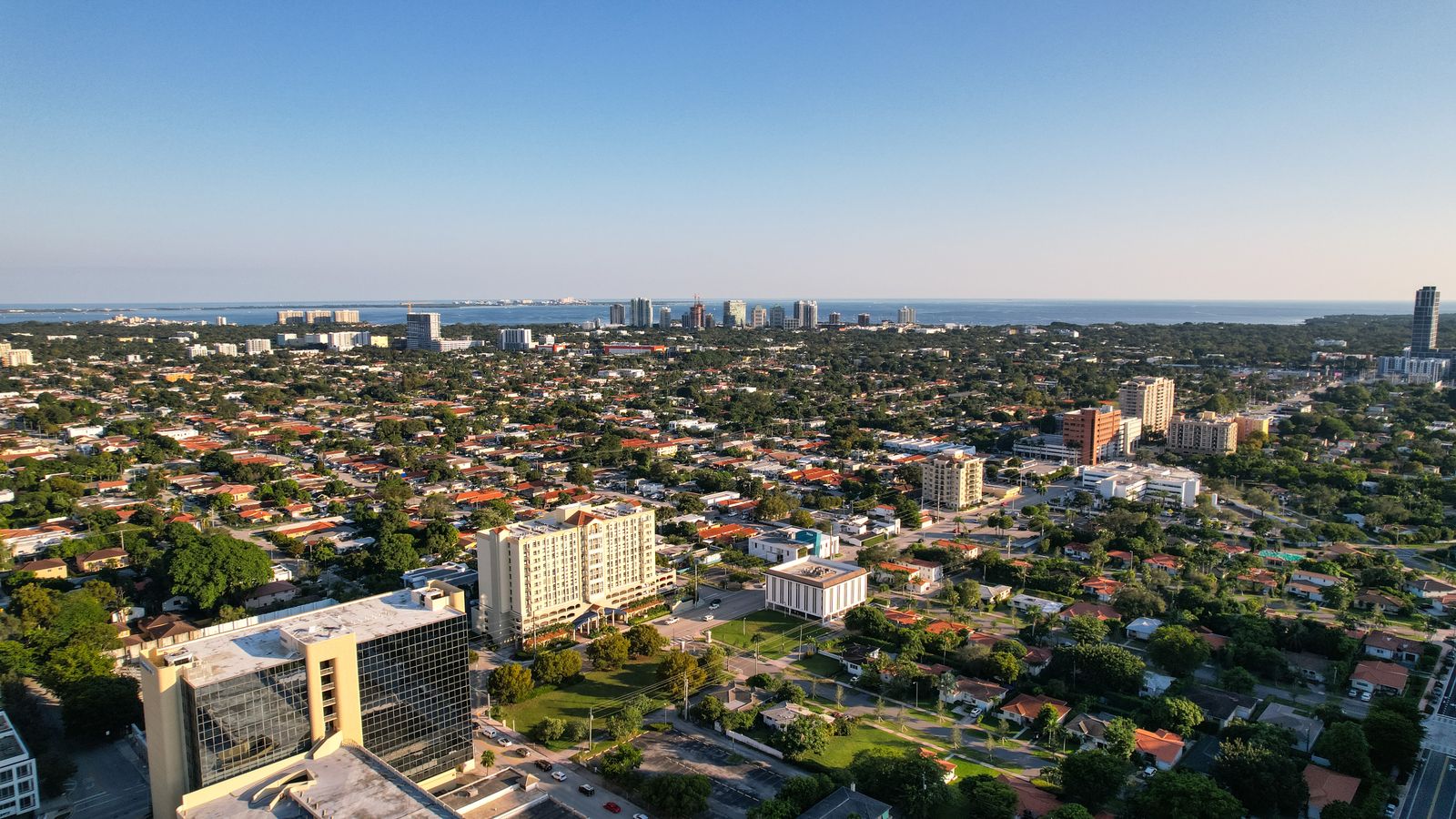
Drone footage raises the ceiling further. Listings with aerial video see roughly 68 percent more engagement, and properties marketed with drone imagery have been selling meaningfully faster and at stronger prices. In a market defined by waterfront, rooftop pools, marina access, and beach proximity, aerial shots are not a luxury. They are how you show the one thing a ground-level photo cannot: where the property actually sits.
Here is the gap. Only about 38 percent of agents use video for their listings, and just 9 percent create dedicated listing videos. Drone use is climbing fast, from roughly 35 percent of agents in 2024 to about 52 percent in 2025, but that still leaves half the market competing on photos alone. Meanwhile, 73 percent of homeowners say they are more likely to list with an agent who offers video marketing. The agents who treat video as standard are winning listings the rest are not even pitching for.
A few practical notes for South Florida specifically:
- Shoot a vertical walkthrough for Reels and TikTok and a longer horizontal version for YouTube. One filming session, two assets.
- Hire a drone pilot who holds an FAA Part 107 certificate. Coastal Miami and Fort Lauderdale have controlled airspace near the airports, and licensed pilots know where they can legally fly.
- Lead with the water, the skyline, or the amenity deck in the first three seconds. That is your thumbnail and your hook.
Email and CRM: The Quiet Workhorse
Social gets attention, but email still returns more money per dollar than anything else. Email marketing averages about 36 dollars back for every 1 dollar spent, and well-run real estate campaigns report returns far higher than that. It is unglamorous and it works, which is exactly why the agents who stay disciplined about it pull ahead.
The fundamentals in 2026:
- A healthy real estate open rate runs about 30 to 40 percent, though Apple Mail Privacy Protection now logs opens even when no one reads the message, so treat raw open rates as a loose signal and watch clicks and replies instead.
- Automated drip campaigns increase lead conversion by roughly 30 percent. A simple three-email sequence that delivers real value can lift engagement by about 43 percent without driving people to unsubscribe.
- Personalized emails produce up to 6 times the transaction rate of generic blasts. Using a name, a neighborhood, and a price range that match the lead is the difference.
The CRM is what makes this work at scale. Segment your list by intent, renter, buyer, seller, and investor, then nurture each group differently. Speed matters more than almost anything else: the faster you respond to a new lead, the more likely you are to convert it, so let automation send the first touch instantly while you follow up personally. Track click-through rate and aim for the low single digits, keep your unsubscribe rate under half a percent, and clean your list so bounces stay low.
South Florida adds a seasonal layer. Snowbird and relocation demand swells from late fall through spring, so build your list year round and have your nurture sequences ready before the season hits, not during it. Renters relocating from the Northeast and from abroad are often searching months ahead, and the agent already in their inbox wins.
Virtual Staging and 3D Tours: What Is Worth Paying For
Virtual staging and interactive tours are powerful, but the economics matter, and the right answer is different for a luxury sale than for a standard rental.
The results are real. Listings with 3D tours like Matterport receive around 95 percent more phone inquiries and sell up to 31 percent faster. Listings with virtual tours get about 87 percent more views than listings with photos alone, and in many markets a 3D tour listing has sold for up to 9 percent more. Letting someone walk a unit at midnight from their couch removes friction, and removed friction means faster deals.
Now the costs. A Matterport tour generally starts around 350 dollars to produce, with hosting near 20 dollars per month per space. Interactive 3D furniture staging runs roughly 300 to 500 dollars per room, so staging a three-bedroom home that way can land between 900 and 1,500 dollars. Standard 2D virtual staging, where furniture is added to still photos, costs far less, often 50 to 400 dollars to cover a whole home.
For most rentals and mid-market sales, 2D virtual staging delivers the large majority of the benefit at a small fraction of the price. It is the obvious default for an empty South Florida condo or a new-construction unit you need to make feel like a home. Reserve full Matterport tours and interactive 3D staging for luxury listings, high-value waterfront, and commercial space, where the immersive experience justifies the spend and the buyer expects it.
A Simple 2026 Stack for South Florida
You do not need every tool. You need the few that compound. A lean, effective setup for most South Florida agents and landlords looks like this:
- Strong photos plus 2D virtual staging on every listing, with full 3D tours on luxury and waterfront.
- One filmed walkthrough per listing, cut into a vertical Reel or TikTok and a longer YouTube version, plus a drone clip when the location sells the property.
- Retargeting ads on Facebook and Instagram pointed at site visitors and listing viewers.
- A CRM with automated, segmented email drips and instant first response on new leads.
- A YouTube channel of neighborhood guides and market updates that earns search traffic over time.
The thread running through all of it is simple. Show the property the way people actually consume it in 2026, lead with what makes South Florida South Florida, and stay in front of your leads consistently. The tools change every year. That principle does not.
Market Your Property on ConnectLinx
ConnectLinx puts your listing in front of South Florida renters and buyers with direct contact and no broker fees. Whether you manage one unit or a portfolio, you can list and reach renters across the region from one place.