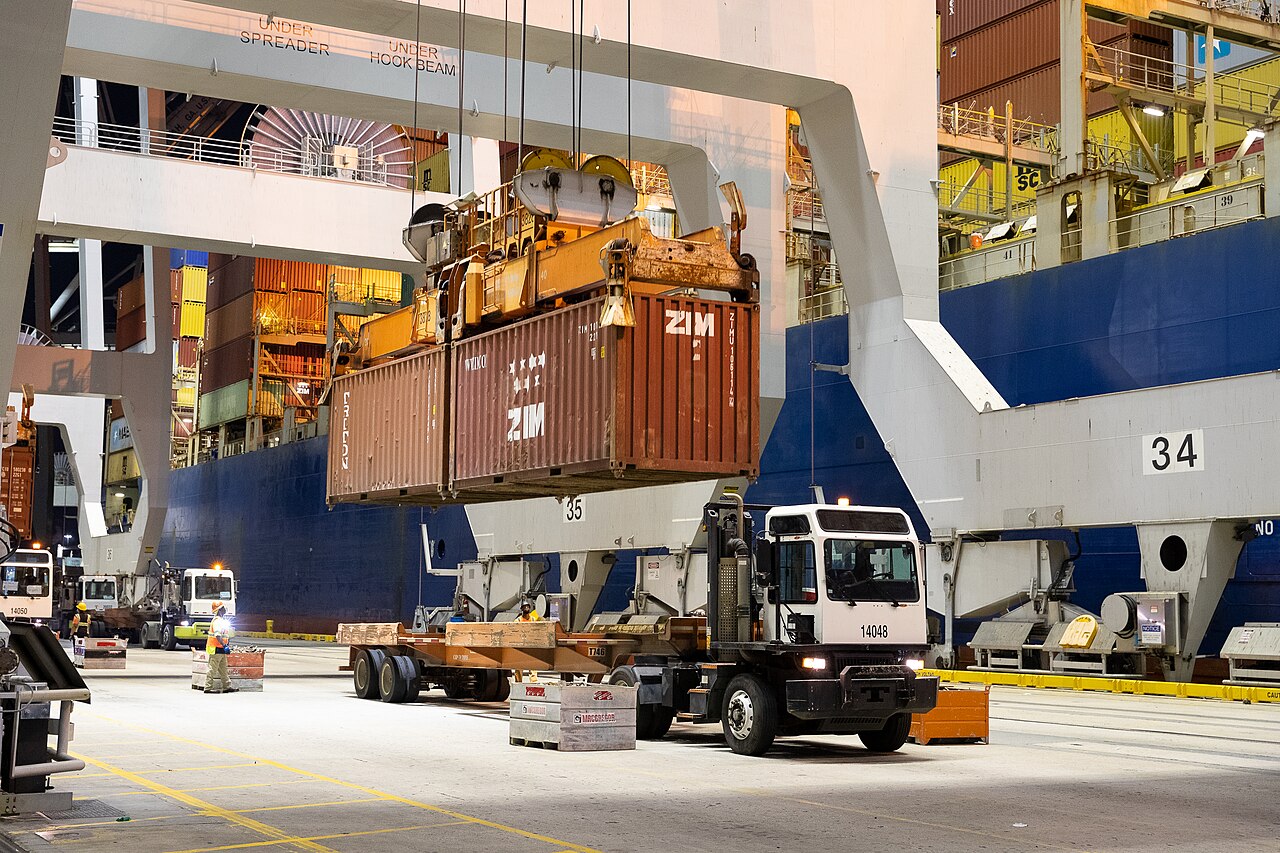
Savannah, Georgia, deserves a closer look from anyone following industrial real estate in the fourth quarter of 2026 (October through December). Its commercial story extends beyond the historic district: port logistics, vehicle manufacturing and supplier operations connect the city to a much larger employment and distribution corridor.
Quick answer: Savannah's industrial growth is supported by a major container port and Hyundai's manufacturing investment in nearby Ellabell. For warehouse tenants, property owners and relocating households, the opportunity depends on the exact location, building specifications and timing. Industrial expansion does not mean every warehouse is full or every nearby home will rise in value.
Q4 2026 outlook, updated October 10, 2026. This guide distinguishes Savannah city from the broader coastal Georgia industrial market. Market figures below retain their original reporting periods and provide context for the fourth quarter; they are not completed Q4 results.
Why is Savannah an industrial growth market?
Two distinct engines make the region worth watching: the movement of goods through the Port of Savannah and the production of vehicles and components inland. Logistics businesses need efficient freight routes and suitable facilities. Manufacturers need dependable utilities, suppliers and access to workers. A property that serves one of those needs may not serve the other.
Georgia Ports Authority reported that Savannah handled 529,523 twenty-foot equivalent units, or TEUs, in August 2026. Total volume was slightly below the same month a year earlier, while loaded exports increased 4.2%. That distinction matters: a large, active port is a durable source of business activity, but individual monthly figures do not show uninterrupted growth. Source: Georgia Ports Authority, September 2026 release.
On the manufacturing side, Georgia's economic development agency records the start of Hyundai Metaplant vehicle production in October 2024 and its grand opening in March 2025. The facility is in Ellabell, Bryan County, rather than downtown Savannah. That geography is essential when evaluating a supplier location or a home for an employee. Source: Georgia Department of Economic Development.
Hyundai's September 2025 investor announcement described a further $2.7 billion investment over three years, targeting annual Metaplant capacity of 500,000 vehicles by 2028. Those are announced investment and capacity plans, not a statement of current output or completed hiring. Source: Hyundai Motor Company.
What do Savannah's warehouse market numbers actually show?
Colliers reported 10.01% overall industrial vacancy in its Savannah market for Q2 2026. Its report recorded approximately 763,000 square feet of positive net absorption during the quarter. Net absorption measures the change in occupied space; it is different from the total volume of leases signed.
The same report identified about 4.4 million square feet under construction, with 91% of that pipeline speculative. These figures describe the brokerage's regional market coverage, not just property inside Savannah city limits. Source: Colliers, Savannah Industrial Market Report, Q2 2026.
For a tenant, the practical next step is to request a current shortlist of competing buildings in the required size range. For an owner, it is to check which nearby spaces can realistically compete with yours. A regional vacancy figure cannot reveal whether a particular building has the power, loading configuration, yard or permitted use a prospect needs.
Which Savannah-area locations should you compare?
Start with the business operation or workplace, then choose the search area. These are locations to investigate, not a ranking of investment returns or a promise of a particular commute.
Garden City and the port-facing area
For port-related operations, compare the actual route between a property and the required terminal gate. Check truck access, queuing space, restrictions, trailer storage and the ability to enter and exit the site safely. Straight-line distance to the waterfront is a poor substitute for an operating route.
Pooler and the I-95/I-16 area
Pooler is a useful comparison point when a search spans the port and inland employment destinations. Assess each property against the actual origin and destination of workers or freight. For residential searches, visit at the anticipated shift-change time rather than relying on a quiet weekend drive.
Ellabell and the Bryan County manufacturing corridor
For a Hyundai-related supplier or employee, begin with the Ellabell plant location. Then verify the particular facility entrance, route, utility needs and jurisdiction. A broad description such as “near Savannah” is not enough to determine whether a parcel works for manufacturing or whether a home offers a manageable daily trip.
Savannah city neighborhoods
A household may prefer living in Savannah itself for personal reasons while working elsewhere in the region. Compare the complete trip, parking, housing cost and property condition. Avoid treating proximity to restaurants or the historic district as evidence of proximity to an industrial workplace.
How should a business evaluate warehouse space in Savannah?
Choose a warehouse by operational fit and total occupancy cost. Base rent is only one part of the decision. Before requesting lease terms, write a brief that separates mandatory requirements from preferences.
- Building: required square footage, clear height, floor capacity, dock doors, drive-in access and office space.
- Site: truck circulation, trailer parking, outdoor storage, employee parking and access hours.
- Utilities: available electrical service, upgrade timing, water, sewer and communications.
- Occupancy: permitted activity, required approvals, fit-out scope and realistic possession date.
- Cost: base rent, operating expenses, insurance, maintenance obligations, improvements and relocation costs.
Ask for written confirmation of the details that could prevent occupancy. A promised utility upgrade is different from capacity available today. A warehouse advertised for general distribution may require additional review for a manufacturing process or a particular stored material.
For a consistent offer comparison, use our guide to comparing commercial leases beyond rent. It provides a framework for evaluating proposals without allowing a low headline price to hide expensive obligations.
What does industrial growth mean for housing and relocation?
New operations can create reasons for people to move, but an industrial announcement does not establish current residential demand, achievable rent or future appreciation. Construction workers, permanent employees and relocating managers may have different housing needs and timelines.
A relocating household should confirm the workplace address, expected start date and shift schedule before narrowing its housing search. Compare total monthly cost, including utilities, insurance where applicable, parking and transportation. Tour the property and test the commute under conditions that resemble the planned workday.
For landlords, evaluate actual competing rentals, move-in dates, concessions and documented applicant demand. Do not price a vacancy using announced job totals alone. An investor should also test whether a property remains viable if hiring is slower or a tenant takes longer to find.
What risks should property buyers and tenants check?
Parcel-specific zoning and approvals
The City of Savannah provides zoning maps, use standards and a zoning-confirmation process. Those resources apply to its jurisdiction; a Pooler or Bryan County property requires review with the authority responsible for that parcel. Confirm permitted use before treating an asking price or proposed lease as actionable. Source: City of Savannah zoning resources.
Flood exposure, drainage and insurance
Savannah's flood-protection resources direct property users to flood-zone and elevation information. Check both the building and the access route, and obtain a property-specific insurance quote. A map is a starting point; site history, drainage and building condition also deserve review. Source: City of Savannah flood-protection information.
Delivery schedules and competing supply
Separate an operating facility from a planned expansion, and a completed warehouse from a construction proposal. Ask what is already delivered, what is committed and what still depends on approvals, financing or utility work. Use more than one leasing or purchase scenario rather than assuming the most optimistic schedule.
A practical next step for Savannah real estate searches
Build a shortlist around one clearly defined need: a warehouse serving a terminal, a supplier facility serving a plant, or a home serving a particular commute. Record each property's address, jurisdiction, availability, total cost, unresolved questions and source date. This makes the comparison more useful than a collection of promising listings.
Real estate teams can use ConnectLinx listing management and real estate CRM tools to organize property information and follow-up. Begin with the property search, then verify current local availability and specifications with the listing representative. For the next stage of review, see our commercial property due-diligence checklist.
Hero photo: Port of Savannah, July 29, 2021. Jerry Glaser / U.S. Customs and Border Protection. Public domain; archival photograph. Photo source and rights information.
