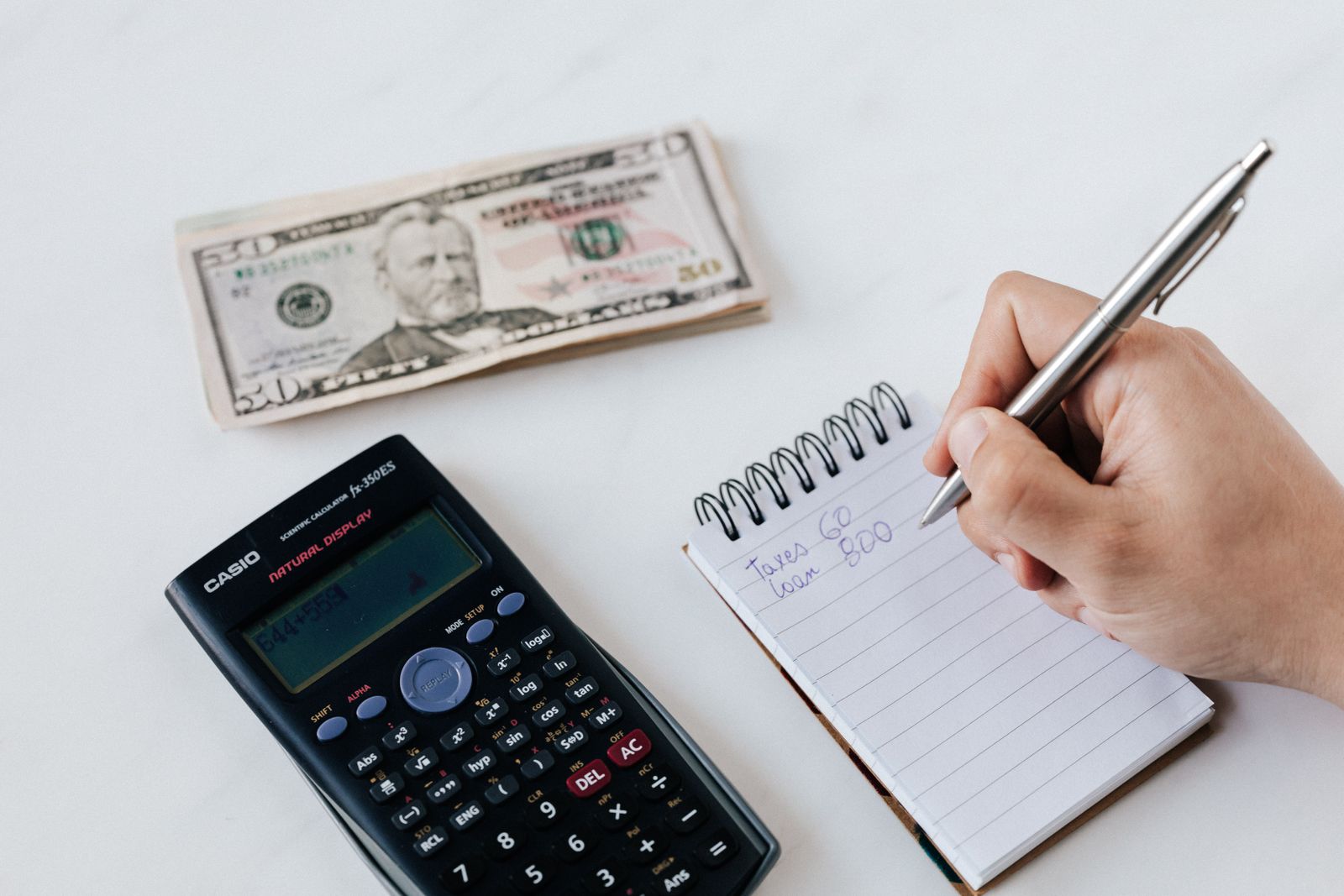
Florida property taxes for new investors come down to one number: the millage rate applied to your assessed value, minus any exemptions you qualify for. In Palm Beach, Broward, and Miami-Dade, total millage typically lands between roughly 18 and 23 mills, which works out to about 1.8 to 2.3 percent of assessed value per year. The catch most new investors miss is that the homestead exemption and the Save Our Homes cap, the two biggest tax breaks in Florida, do not apply to rental or investment property, so your tax bill on an investment grows faster than an owner-occupied home next door.
Key takeaways
- Florida has no state income tax, but property taxes fund local government, so they matter more here than in most states.
- Expect roughly 1.8 to 2.3 percent of assessed value per year in Palm Beach, Broward, and Miami-Dade counties.
- The homestead exemption (up to 50,000 dollars off assessed value) and the Save Our Homes 3 percent cap apply only to your primary residence, not investment property.
- Investment property is reassessed toward full market value, and a non-homestead 10 percent annual cap is the only assessment limit you get.
- When you buy, the prior owner's capped assessment resets, so your first-year tax bill is usually higher than the seller paid. Budget for that before you close.
How are property taxes calculated in Florida?
Three numbers drive every Florida property tax bill: the assessed value, the exemptions, and the millage rate. The county property appraiser sets a market value each January 1, then applies any assessment caps to get the assessed value. Exemptions come off that to produce the taxable value. The taxing authorities, county, city, school board, and special districts, each set a millage rate, and the sum is applied to your taxable value.
One mill equals one dollar of tax per 1,000 dollars of taxable value. So a property with a 400,000 dollar taxable value in a county with a combined 20 mill rate owes 8,000 dollars a year. That is the whole formula: taxable value divided by 1,000, multiplied by the total millage. Everything else is about which exemptions and caps move that taxable value up or down.
A quick worked example
Say you buy a 425,000 dollar rental in West Palm Beach. The appraiser assesses it near the purchase price for your first year. With no homestead exemption available on a rental, your taxable value is roughly the full 425,000 dollars. At a combined rate near 20 mills, that is about 8,500 dollars a year, or about 708 dollars a month, that has to come out of your rent before you see a dollar of cash flow. Run that number on every deal. It is one of the easiest ways to turn a deal that looks good into a deal that actually works.
What is the homestead exemption, and can investors use it?
The homestead exemption is Florida's signature property tax break, and it is the one new investors most often misunderstand. It removes up to 50,000 dollars from the assessed value of your primary residence: the first 25,000 dollars applies to all taxing authorities, and a second 25,000 dollars applies to non-school taxes on value between 50,000 and 75,000 dollars. To qualify, the home must be your permanent legal residence as of January 1, and you must file with the county property appraiser.
Here is the part that matters for investors: the homestead exemption applies only to the home you live in. You cannot claim it on a rental, a flip, or a second home. If you try to homestead a property you do not actually live in, that is homestead fraud, and Florida counties actively audit for it, with liens and penalties when they catch it. The honest move is simple. Homestead your own residence, and treat every investment property as fully taxed.
What is the Save Our Homes cap, and why does it not help investors?
Save Our Homes is a constitutional cap that limits how much the assessed value of a homesteaded property can rise each year, to 3 percent or the change in the Consumer Price Index, whichever is lower. Over a long hold, that cap can hold an owner-occupant's taxable value far below market value, which is why a longtime neighbor can pay a fraction of what you pay on a nearly identical house.
Investment property does not get the 3 percent cap. Instead, non-homestead property gets a weaker protection: a 10 percent annual cap on assessment increases for non-school taxes. School taxes have no cap at all. So your investment property's assessed value can climb up to 10 percent a year on the non-school portion and without limit on the school portion, which means your tax bill on a rental tends to rise faster than on the homesteaded house down the street. For a fuller picture of how holding costs stack up in this market, see our West Palm Beach market update.
What happens to property taxes when you buy?
This is the trap that catches almost every first-time Florida investor. When a property sells, the assessment resets to market value the following January 1. Any cap the seller built up, whether the 3 percent Save Our Homes cap or the 10 percent non-homestead cap, disappears. If the seller owned the home for years, they may have been taxed on an assessed value far below today's market, and you will be taxed on the new, higher market value.
That means the tax figure on the MLS listing or the seller's old tax bill is almost always lower than what you will actually pay. Never underwrite a deal off the current owner's taxes. Instead, estimate your first-year bill off your purchase price times the local millage rate. Getting this wrong by a few thousand dollars a year can flip a positive cash flow rental into a money loser. If you are weighing the timing of a purchase at all, our look at whether now is the right time to buy in South Florida pairs well with this.
Millage rates by county: Palm Beach, Broward, and Miami-Dade
Millage varies by county and by the specific city or special district your property sits in, but the broad ranges are useful for budgeting. Across South Florida's three big counties, combined millage generally falls between about 18 and 23 mills, so 1.8 to 2.3 percent of taxable value per year is a safe planning range. Unincorporated areas can run lower than incorporated cities that layer on municipal millage, and districts with extra services, like community development districts, can run higher.
- Palm Beach County: combined rates commonly land in the high teens to low 20s in mills, depending on city. West Palm Beach, Boca Raton, and Wellington each carry their own municipal millage on top of county and school rates.
- Broward County: similar overall range, with Fort Lauderdale, Hollywood, and Pembroke Pines layering municipal millage on the county and school base.
- Miami-Dade County: comparable totals, with wide variation between unincorporated areas and cities like Miami, Miami Beach, and Doral.
For exact numbers, pull the current millage from your county property appraiser: Palm Beach (pbcgov.org), Broward (bcpa.net), and Miami-Dade (miamidade.gov/pa). Each county publishes a millage table and a tax estimator you can run before you make an offer. If you are deciding between markets, our comparison of Broward versus Palm Beach County digs into the tradeoffs.
Can you appeal your property tax assessment in Florida?
Yes, and for investors it is often worth the effort. Every August, the county mails a TRIM notice, the Truth in Millage statement, showing your proposed assessed value, exemptions, and the tax estimate for the year. That notice starts the clock. You have 25 days from the TRIM mailing to file a petition with the county's Value Adjustment Board if you believe the assessed value is too high.
The appeal process has three rough paths: an informal call to the property appraiser's office to ask for a review, a formal VAB petition heard by a special magistrate, or, in larger disputes, litigation. Most investors start informal. Bring evidence, recent comparable sales below your assessment, photos of needed repairs, or income data on a struggling rental. The deadline is strict, so calendar the TRIM notice every August. Winning even a modest reduction lowers your tax bill for the year and resets a lower base going forward.
How do property taxes affect rental cash flow?
Property taxes are one of the four big fixed costs on a rental, alongside insurance, maintenance, and any HOA dues, and in Florida taxes and insurance together are usually the two largest. On a typical South Florida rental, property taxes alone can eat 15 to 25 percent of gross rent. Skip them in your math and your cash flow projection is fiction.
Build taxes into your underwriting from the first screen. Take your expected purchase price, multiply by the local millage as a percentage, divide by 12, and subtract that from monthly rent along with insurance, vacancy, maintenance, and management. Remember to use your reset assessment, not the seller's old bill. Insurance is climbing fast in this market too, so read our piece on how insurance premiums affect South Florida property values and stack the two costs together. If the deal still cash flows after honest taxes and insurance, you have something real. To see live rentals and price points in the area, browse West Palm Beach listings or read our top 10 neighborhoods for rental investment in Palm Beach County.
Frequently asked questions
Does Florida have property tax on investment property?
Yes. Florida has no state income tax, but it does levy annual property taxes on all real estate, including rentals, flips, and second homes. Investment property is taxed on its full assessed value with no homestead exemption, so expect roughly 1.8 to 2.3 percent of assessed value per year in Palm Beach, Broward, and Miami-Dade counties.
Can I get the homestead exemption on a rental property?
No. The homestead exemption and the Save Our Homes 3 percent cap apply only to your permanent primary residence as of January 1. Claiming homestead on a property you do not live in is homestead fraud, which Florida counties audit and penalize. Investment property instead gets a weaker 10 percent non-homestead assessment cap on non-school taxes only.
Why is my property tax bill higher than what the seller paid?
When a property sells, the assessment resets to current market value the following January 1, and any cap the prior owner accumulated disappears. If the seller held the home for years under a capped assessment, your first-year bill on the new market value will be noticeably higher. Always estimate taxes from your purchase price times the local millage, not the seller's old bill.
How do I estimate property taxes before I buy in South Florida?
Multiply your expected purchase price by the combined local millage rate. As a quick planning shortcut, use about 2 percent of price per year, then refine with the county property appraiser's tax estimator. Palm Beach (pbcgov.org), Broward (bcpa.net), and Miami-Dade (miamidade.gov/pa) all publish estimators and current millage tables.
How do I appeal my property taxes in Florida?
Watch for the TRIM notice your county mails every August. You have 25 days from that mailing to petition the Value Adjustment Board. Start with an informal review by the property appraiser, bring comparable sales below your assessment and evidence of needed repairs, and escalate to a formal VAB hearing if needed. The deadline is firm, so act as soon as the notice arrives.