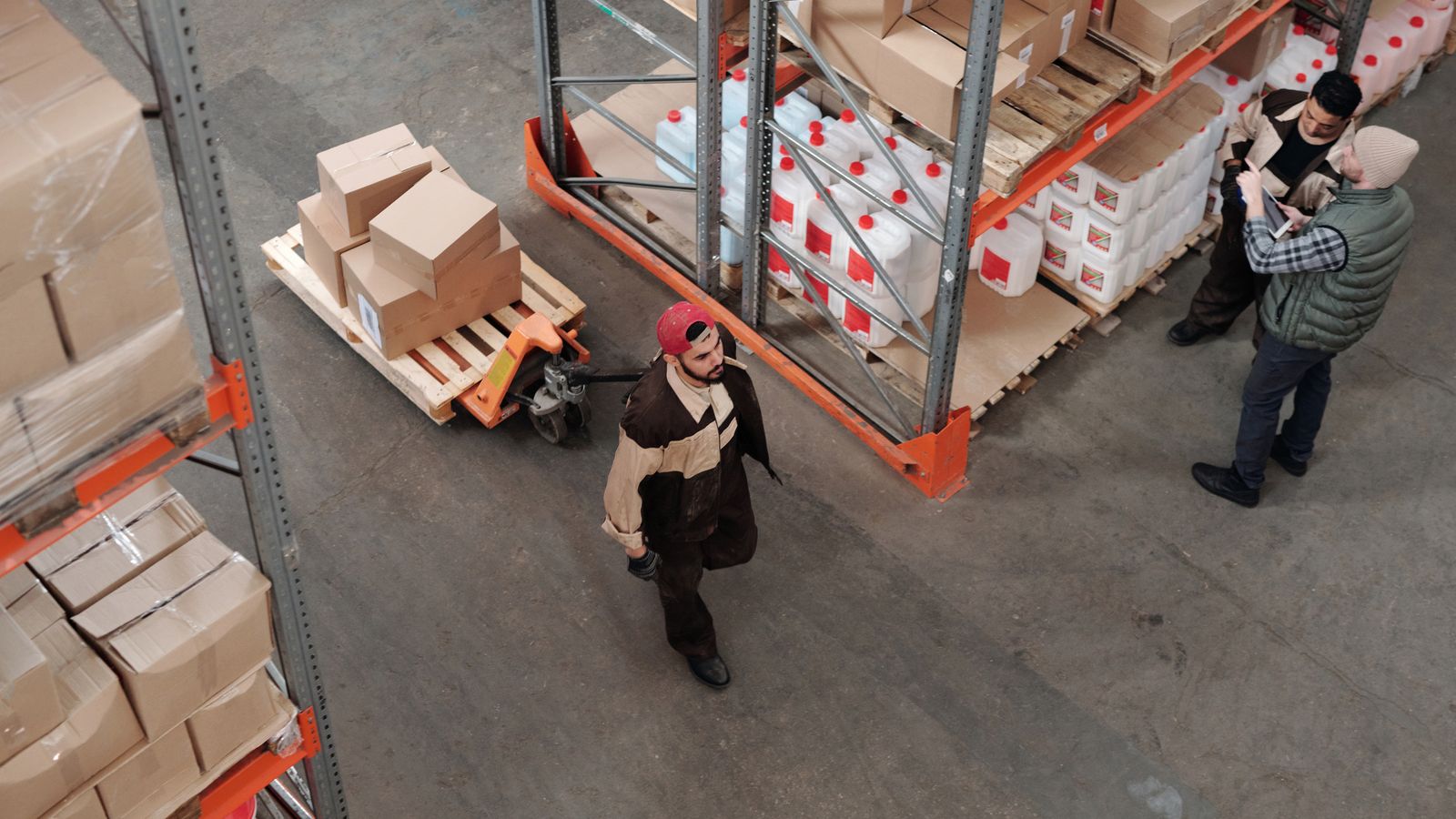
South Florida's industrial warehouse market in 2026 is a story of two sizes. Big-box distribution space is sitting longer as a wave of new construction catches up with demand, while small-bay and flex warehouses stay tight and hard to find across Miami-Dade, Broward, and Palm Beach County. Underneath it all, record cargo volumes at PortMiami and Port Everglades keep pulling logistics tenants into the region. The result is a healthier, more negotiable market for occupiers and a selective, location-driven one for investors.
Key takeaways
- South Florida industrial vacancy rose to roughly 5.8 percent in early 2026, and Miami-Dade specifically hit about 8.0 percent, the highest in five years. This is a supply story, not a demand collapse.
- Average asking rents in the Miami metro sit near 16 to 19 dollars per square foot triple net, depending on the submarket and how the space is measured, after years of double-digit growth.
- PortMiami moved 1,115,058 TEUs and Port Everglades a record 1,167,552 TEUs in fiscal year 2025, anchoring the region as a Western Hemisphere logistics gateway.
- Small-bay and last-mile warehouses near the ports and airports remain the tightest, most resilient slice of the market.
- Vacancy is expected to plateau and start tightening again in late 2026 as the construction pipeline slows.
Why is South Florida warehouse demand still strong in 2026?
The short answer is geography and trade. South Florida is the front door for commerce between the United States, Latin America, and the Caribbean, and that role only grew as supply chains reorganized around nearshoring and faster delivery expectations. Goods that used to sit in a single mega-warehouse in the middle of the country now need to be closer to the customer, and in this region that means warehouse space within a short drive of the ports, Miami International Airport, and dense coastal population centers.
E-commerce is the other engine. Same-day and next-day delivery promises force retailers and third-party logistics firms to lease last-mile space inside the urban core, where land is scarce and almost nothing new gets built. That scarcity is exactly why smaller infill warehouses have held their value even as larger distribution boxes have softened. Demand did not disappear in 2026, it concentrated.
This mirrors what we have seen across the region's commercial sectors. As covered in our look at how high interest rates are reshaping South Florida commercial real estate, capital costs have cooled new deals, but the underlying tenant demand for well-placed space is still there. Industrial has simply been the most resilient property type through the rate cycle.
What is happening with industrial vacancy and rents?
Vacancy climbed in early 2026, and the headline numbers can look alarming if you do not read the cause. South Florida industrial vacancy moved up to around 5.8 percent overall, and Miami-Dade reached roughly 8.0 percent, its highest mark in five years. The reason is straightforward: developers delivered a large pipeline of new space faster than tenants could absorb it. That is a supply problem, not a sign that companies stopped needing warehouses.
Rents reflect the same balancing act. Average asking rates in the Miami metro have settled near 16 to 19 dollars per square foot on a triple net basis, with some submarkets flat to slightly down year over year and others still posting small gains. After the explosive double-digit rent growth of 2021 to 2023, this is a normalization, not a crash. For tenants, it is the first real window in years to negotiate term, free rent, and improvement allowances. For owners, it means underwriting has to be sharper and location matters more than ever.
The split inside the numbers is the part most reports gloss over. Large bulk distribution buildings, the 200,000 square foot and up boxes, are absorbing slowly and carry most of the new vacancy. Small-bay product, the 2,000 to 20,000 square foot units that serve contractors, e-commerce sellers, and local distributors, stays tight with low vacancy and steady rents. If you only read the metro average, you miss that the market underneath is two very different markets.
How are PortMiami and Port Everglades driving warehouse demand?
The two seaports are the foundation of the region's logistics economy, and both posted strong fiscal year 2025 results. PortMiami handled 1,115,058 TEUs, up about 2.35 percent year over year, its eleventh straight year above one million container units. Its cargo mix runs roughly 48 percent Latin America and the Caribbean, 31 percent Asia, and 20 percent Europe and the Mediterranean, which makes it one of the most diversified trade gateways in the country.
Port Everglades set an all-time record with 1,167,552 TEUs in the same year, and notched simultaneous records in cargo, energy, and cruise for the first time in its modern history. Roughly 90 percent of its trade moves to or from Latin America and the Caribbean, the highest concentration of any major United States container port. It is also Florida's number one gateway for perishables, handling more than 147,000 TEUs of refrigerated cargo, which feeds steady demand for cold-storage and temperature-controlled warehouse space, one of the hardest product types to find.
Both ports are investing to grow. Port Everglades is executing a Master Plan with roughly 3.8 billion dollars in capital improvements, including the completed 471 million dollar Southport Turning Notch Extension and six new Super Post-Panamax gantry cranes. PortMiami has expanded its fleet of electric rubber-tired gantry cranes to allow higher container stacking and faster yard runs. Every container that moves through these gates eventually needs warehouse space nearby, which is why proximity to the ports is the single most valuable trait an industrial property can have. You can confirm the latest figures on the PortMiami statistics page and the Port Everglades cargo page.
Which submarkets offer the best industrial opportunities?
Location inside South Florida decides almost everything about an industrial asset's performance. A few submarkets stand out for different reasons.
- Airport West and Medley, Miami-Dade. The dense core around Miami International Airport and the Medley industrial district is the tightest, most liquid submarket in the region. Land is essentially built out, so existing small-bay buildings command premium rents and rarely sit empty for long.
- Hialeah and the Gratigny corridor. Older infill product here serves last-mile and local distribution at a lower basis than airport-adjacent space, which appeals to value-add investors willing to renovate.
- Davie, Dania Beach, and the Port Everglades corridor, Broward. Proximity to both Port Everglades and Fort Lauderdale-Hollywood International Airport makes this a logistics sweet spot, especially for perishables and reefer-dependent tenants.
- Pompano Beach and Deerfield Beach, north Broward. A deep base of small-bay and flex space that stays well occupied, popular with contractors and regional distributors priced out of the Miami core.
- West Palm Beach and the I-95 corridor, Palm Beach County. The fastest-growing population base in the region supports newer distribution and last-mile space, with more room to build than the saturated south. The area's broader momentum is covered in our West Palm Beach market update.
The pattern across all of them is the same: the closer a building is to a port, an airport, or a dense rooftop count, and the smaller its average unit size, the more resilient its rents and occupancy. Big, isolated boxes far from those anchors carry the most risk in the current cycle.
What does the construction pipeline look like?
The vacancy bump of early 2026 came from a development wave that is now winding down. Higher construction and financing costs, covered in our piece on commercial real estate and interest rates, have slowed new groundbreakings across the region. As the current pipeline delivers and fewer new projects start behind it, most forecasts expect vacancy to plateau through the middle of 2026 and begin tightening again later in the year.
For investors, that timing matters. A short-term spike in available space, paired with a shrinking pipeline and durable port-driven demand, is the kind of setup that rewards buyers who move while sentiment is cautious. The land constraints that define South Florida do not go away. Once the current supply is absorbed, the same scarcity that drove the last rent cycle reasserts itself, particularly for the small-bay product that almost no one is building new.
How should owners and tenants approach the market now?
For tenants, 2026 is the best negotiating environment in years. Use it. Push for free rent, larger tenant improvement allowances, and flexible expansion rights, especially in big-box space where landlords are competing for fewer credit tenants. Lock longer term while rates are negotiable. The same lease-negotiation discipline we outline for commercial space in commercial lease negotiation tactics for South Florida landlords works just as well from the tenant side of the table.
For owners and investors, focus on the fundamentals that are not changing: small-bay and last-mile product, proximity to the ports and airports, and clean, functional buildings with modern clear heights and dock access. Be cautious underwriting large, single-tenant boxes in outlying areas, where the current vacancy is concentrated and lease-up can take quarters longer than pro formas assume. If you are weighing industrial against other commercial plays, our overview of office space trends in Boca and West Palm Beach and top neighborhoods for rental investment in Palm Beach County round out the picture.
South Florida's logistics boom is not over. It is maturing. The easy, rising-tide rent growth of the early decade has given way to a market that rewards precision: the right size, the right location, and the patience to buy when others hesitate. For more on listing and marketing commercial and industrial space, explore current Miami listings and Fort Lauderdale listings on ConnectLinx.
Frequently asked questions
Is the South Florida industrial market still a good investment in 2026?
For the right product, yes. Vacancy rose in early 2026 because new construction outpaced absorption, not because tenant demand fell. Small-bay and last-mile warehouses near the ports and airports remain tight, and forecasts expect overall vacancy to tighten again in late 2026 as the pipeline slows. The key is buying well-located, functional space rather than isolated big-box product.
What is the average warehouse rent in Miami right now?
Average asking rents in the Miami metro sit near 16 to 19 dollars per square foot on a triple net basis, depending on the submarket and how the space is measured. That is a normalization after years of double-digit growth. Small-bay space in the airport core commands the top of that range, while larger distribution boxes are flat to slightly down.
Why is warehouse vacancy rising if demand is strong?
The increase is a supply story. Developers delivered a large amount of new big-box space faster than tenants could lease it, which pushed Miami-Dade vacancy to about 8.0 percent. Demand for small-bay and last-mile space stayed healthy throughout. As the construction pipeline winds down, most analysts expect vacancy to plateau and then tighten.
How do the seaports affect warehouse demand?
Directly. PortMiami and Port Everglades each moved more than one million container units in fiscal year 2025, with Port Everglades setting a record. Every container that lands needs nearby warehouse space for distribution, and Port Everglades's heavy perishables volume drives demand for hard-to-find cold storage. Proximity to the ports is the most valuable trait an industrial building can have.
What type of warehouse space is hardest to find in South Florida?
Small-bay and flex units in the 2,000 to 20,000 square foot range, especially near Miami International Airport, Medley, and the Port Everglades corridor. Land in those areas is essentially built out, almost no new small-bay product is under construction, and cold-storage space is scarcer still. That scarcity keeps rents and occupancy strong even as the broader metro average softens.